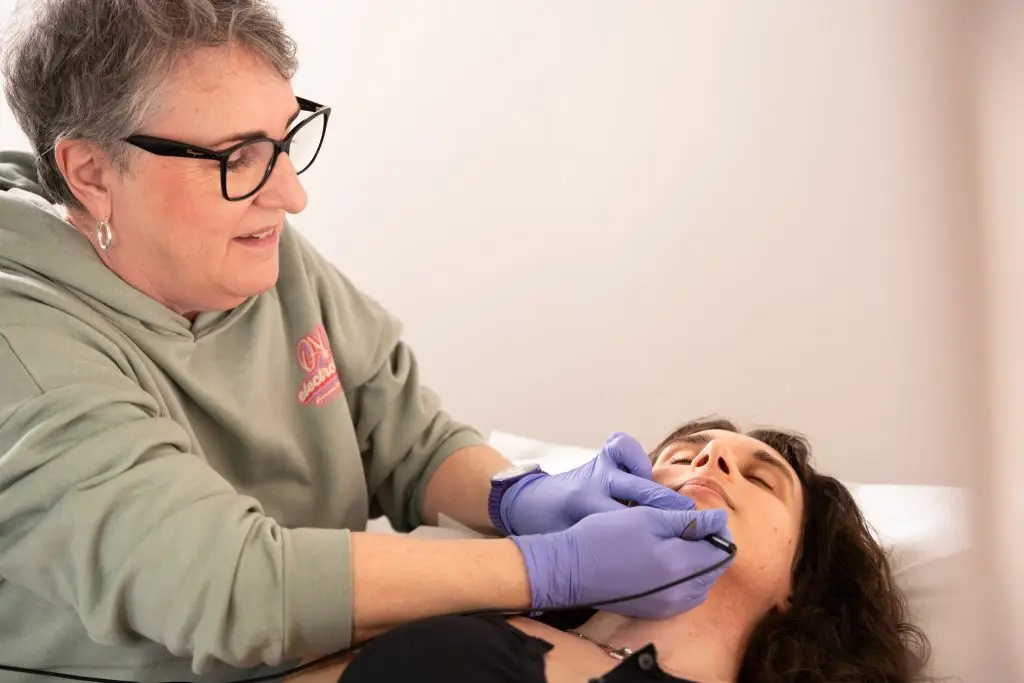

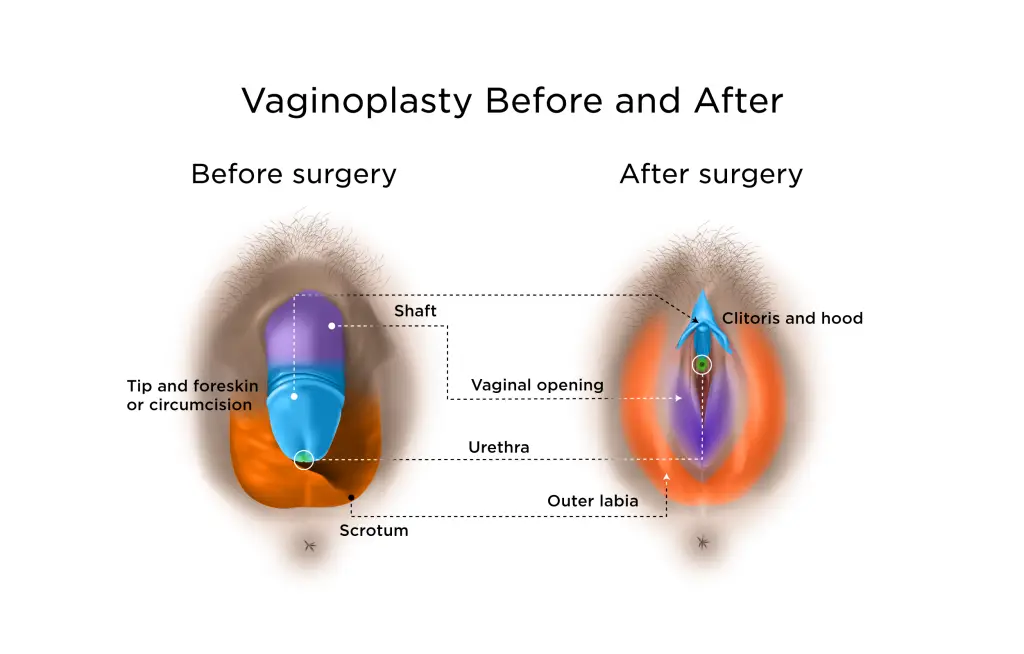
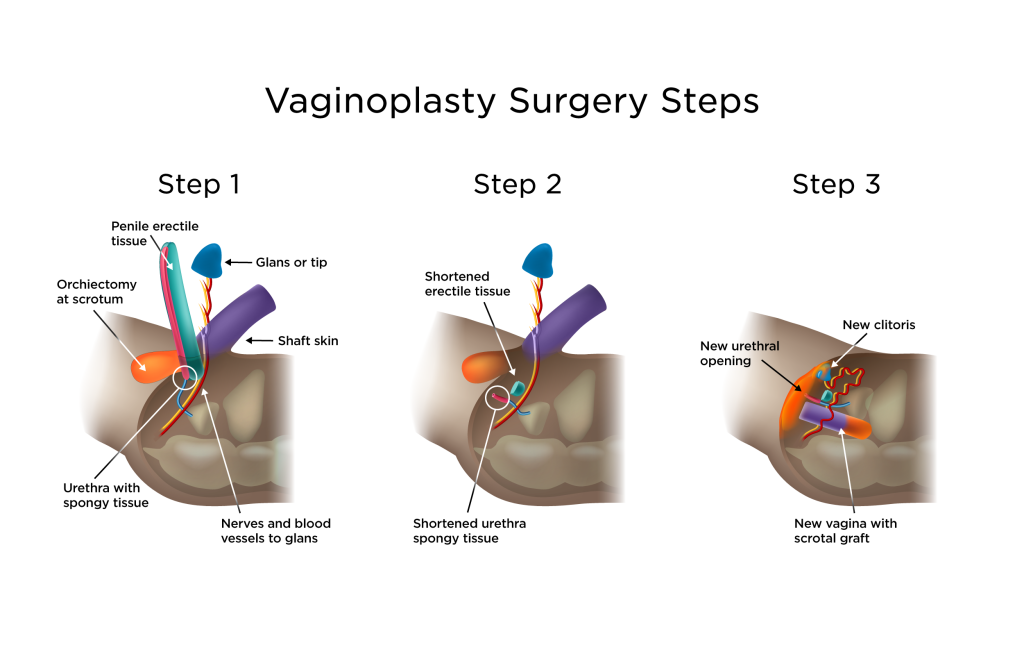
(⚠️ Medical Illustration Notice: This page contains anatomical illustrations related to vaginoplasty and genital electrolysis for educational purposes.)
It lets readers know what to expect while keeping the page professional and medically focused.
Let me know what you think!
Preparing for vaginoplasty is an exciting and important step in your gender-affirming journey. Along with selecting a surgeon and planning for recovery, one of the most critical parts of preparation is Genital Electrolysis, permanent hair removal in the surgical area.
For many vaginoplasty procedures, surgeons require complete hair removal from tissue that will be used to create the vaginal canal. This helps reduce the risk of complications after surgery, including hair growth inside the neovagina.
Because permanent hair removal takes time, starting electrolysis as early as possible is one of the best things you can do to support your surgical goals.
Why Is Electrolysis Required Before Vaginoplasty?
Electrolysis is recognized by the U.S. Food and Drug Administration (FDA) as a method of permanent hair removal.
Unlike temporary methods such as shaving, waxing, or depilatory creams, electrolysis treats individual hair follicles to permanently prevent future growth.
Many gender-affirming surgeons specifically recommend or require electrolysis because permanent hair removal is necessary in surgical areas where hair growth after surgery could create long-term complications.
For more information about electrolysis, visit:
- FDA Hair Removal Information: https://www.fda.gov
- American Electrology Association: https://www.electrology.com
Start Early: Hair Removal Takes Time
One of the most common misconceptions about genital electrolysis is that it can be completed in just a few months.
Hair grows in cycles, which means not all hairs are visible or treatable at the same time. To permanently clear an area, multiple treatments are needed over an extended period to target hairs as they enter their active growth phase.
Most clients preparing for vaginoplasty should expect:
- At least 12 months of treatment
- Regular appointments throughout the process
- Additional time for dense hair growth patterns
- Surgeon clearance before surgery
Starting early provides flexibility and helps avoid delays in your surgical timeline.
Every surgeon has different requirements regarding which tissue must be permanently cleared before surgery.
For this reason, we strongly encourage clients to request a surgical hair removal diagram from their surgeon as soon as possible.
A surgical diagram helps us:
- Identify the exact treatment area
- Ensure we are treating the correct tissue
- Avoid unnecessary treatment outside the surgical site
- Coordinate your electrolysis plan with your surgical requirements
Having this information early allows us to create the most efficient treatment plan possible.
Tips for a More Comfortable Electrolysis Appointment
Genital electrolysis can be sensitive, but there are several ways to improve comfort during treatment.
Many clients report significant improvement in comfort when using a topical anesthetic before their appointment.
Using Zensa Numbing Cream
We often recommend discussing topical numbing products such as Zensa with your healthcare provider.
To maximize effectiveness:
- Apply the numbing cream according to the manufacturer’s instructions.
- Apply generously to the treatment area before your appointment.
- Cover the area with plastic wrap after application.
- Leave it in place for the recommended amount of time.
The plastic wrap helps keep the cream from transferring to clothing while improving absorption into the skin.
Always follow the product’s instructions and consult with your physician if you have questions about topical anesthetics.
For information about transgender health care standards, visit:
World Professional Association for Transgender Health (WPATH)
https://www.wpath.org
Creating a Treatment Plan for Your Surgery Timeline
Every client’s treatment plan is different.
Factors that influence treatment length include:
- Hair density
- Hair growth patterns
- Previous hair removal methods
- Surgical deadlines
- Individual response to treatment
Our goal is to help you create a realistic treatment schedule that aligns with your surgeon’s requirements and timeline.
Whether you’re just beginning to research your options or already have a surgery date scheduled, we’re happy to answer your questions, review your surgeon’s diagram, and develop a treatment plan designed around your goals.
If you’re preparing for vaginoplasty and would like to learn more about genital electrolysis, contact Ober Yahr Electrolysis to schedule a consultation.
We’re honored to support you throughout your journey.